
The Role of Luck in Gambling
Luck plays a pivotal role in the world of gambling, influencing outcomes in various games of chance. In contrast to games that require skill and strategy, such as poker or blackjack, luck dictates the results of games like slots, roulette, and lotteries. Players often find themselves at the mercy of random events, where the outcome is unpredictable, thus making luck a significant factor in their gaming experience. Additionally, many enjoy exploring options for their gaming adventures, including reputable platforms like 1win , which offer diverse gaming opportunities, underscoring the importance of luck in shaping their experiences.
In many cases, luck can turn an average session into an extraordinary one. A player might win a large jackpot on a slot machine after a series of losses, illustrating how luck can dramatically shift fortunes in an instant. This element of unpredictability adds to the excitement and thrill of gambling, where players hope that the next spin, card, or roll will bring them success. The anticipation of a lucky break fuels the emotional highs and lows that gamblers experience, making every session unique and compelling.
Moreover, the perception of luck varies among individuals within the gambling community. Some players embrace the idea of luck as a guiding force, using charms, rituals, or lucky numbers in their betting strategies. Others remain skeptics, believing in the need for skill and strategy to achieve consistent winnings. Despite these differing beliefs, the essence of gambling is that luck is always present, allowing anyone the chance to win, regardless of their experience level. Ultimately, this blend of belief in luck and personal strategy creates a rich tapestry of gambling experiences.
The Psychological Impact of Luck
The psychological aspects of luck in gambling are profound, influencing how players perceive their chances of winning. Many gamblers engage in cognitive biases related to luck, such as the illusion of control, where individuals believe their actions can influence random events. This mindset can lead to increased betting and a greater emotional investment in the outcome, reinforcing the idea that luck is a controllable factor. This psychological phenomenon often results in a cycle of hope and disappointment, as players grapple with the unpredictability of their fortunes.
Additionally, the “gambler’s fallacy” is a common misconception rooted in luck. Players often believe that past outcomes can predict future results, thinking that a losing streak must be followed by a win. Despite the randomness of gambling games, this belief shapes behaviors and decisions at the gaming table or slot machine. The allure of luck can lead players to gamble more, hoping to break their streak and achieve a positive outcome. This psychological investment in luck can create a rollercoaster of emotions, from elation to despair, further complicating the player’s relationship with gambling.
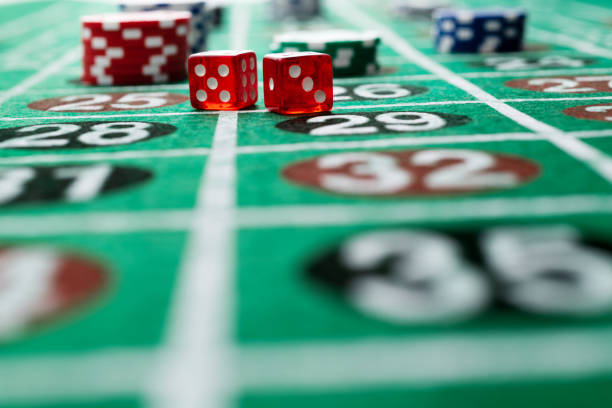
On the other hand, the mere concept of luck can provide a sense of hope and excitement. Many players enter casinos or online platforms with the belief that their luck will change. This anticipation fuels the gambling industry’s growth, as players are drawn to the thrill of potentially altering their financial situations through a fortunate turn of events. The psychological impact of luck is therefore a double-edged sword that can enhance enjoyment but also lead to risky behaviors. Understanding these psychological dynamics allows players to approach gambling with greater awareness of their motivations and emotions.
The Intersection of Luck and Strategy
While luck heavily influences gambling outcomes, the intersection of luck and strategy cannot be ignored. In skill-based games, players employ strategies that may increase their chances of winning, even amidst the randomness that luck brings. For instance, a seasoned poker player may rely on reading opponents, calculating odds, and bluffing effectively, all while accepting that luck can still affect the cards they receive. This balance between skill and chance is what makes games like poker so appealing, as players navigate both the psychological and strategic elements of gambling.
This blending of strategy and luck highlights the complexity of gambling. Players often customize their approaches based on their beliefs about luck and their individual experiences. While a strategic mindset may not eliminate the role of luck, it can help mitigate losses and maximize winning potential in the long run. This is evident in games where players use statistical analysis to inform their decisions and manage their bankrolls more effectively. By acknowledging the role of luck while leveraging their skills, players can create a more balanced and potentially rewarding gambling experience.
Furthermore, understanding the dynamics of luck in conjunction with strategy can lead to a more enjoyable gambling experience. Players who recognize that luck is an unpredictable factor while also honing their skills are likely to approach gambling more responsibly. This duality can foster a balanced mindset, encouraging players to appreciate the thrill of chance without falling into the trap of relying solely on luck for success. Ultimately, this approach promotes a healthier relationship with gambling, where enjoyment stems from both the unpredictability of luck and the challenge of strategy.
Luck, Superstition, and Rituals in Gambling
The concept of luck in gambling is often intertwined with superstition and personal rituals. Many players believe in lucky charms or practices that they think may increase their chances of winning. From wearing specific clothing to carrying talismans, these rituals can become an integral part of the gambling experience, often providing players with a sense of control over their luck. Such behaviors illustrate the human tendency to seek comfort in rituals, particularly in environments governed by chance.
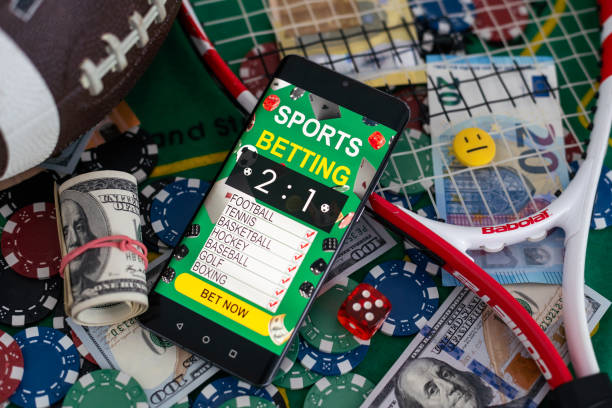
Interestingly, studies have shown that such superstitions can impact a player’s confidence and performance. When individuals believe that their rituals positively affect their luck, they may feel more empowered and engaged in the game. This psychological boost can lead to better decision-making, as players who are confident in their luck are more likely to take calculated risks, enhancing their overall gambling enjoyment. The interplay of superstition and luck illustrates how deeply psychological factors can influence gambling behavior.
This connection between luck and superstition exemplifies the human tendency to seek patterns in randomness. While luck remains a random variable, the rituals surrounding it can create a narrative for players, making them feel more involved in the gambling process. Ultimately, these beliefs may not alter the reality of luck’s influence but can significantly shape players’ experiences and perceptions in the gambling world. By understanding the impact of superstition, players can better navigate their psychological landscapes and enhance their overall enjoyment of gambling.
Your Gateway to the World of Gambling
Exploring the intriguing world of gambling, one can appreciate the complexities surrounding luck and its impact on outcomes. Whether you’re a seasoned player or a newcomer, understanding the nuances of luck can enhance your experience and enjoyment. Many platforms offer various games that cater to every type of player, allowing them to engage with luck and strategy in countless ways. This diversity in gaming options provides an opportunity for players to find their niche and develop their own understanding of luck in the context of their favorite games.
Online gambling websites serve as gateways to a myriad of gaming experiences, where players can discover their own relationship with luck. By providing a diverse selection of games, these platforms allow for exploration and experimentation, ensuring that every player has the opportunity to experience the thrill of chance. Coupled with the excitement of potential wins, these websites create an engaging environment for all. Players can immerse themselves in different games, each with its own blend of luck and strategy, enhancing their overall engagement with gambling.
In conclusion, luck remains an essential element in the world of gambling. Understanding its impact on both psychological and strategic levels can significantly influence how players interact with games. As you navigate through various platforms, keep in mind that while luck may be unpredictable, it is ultimately what adds to the excitement and allure of gambling. Embracing this unpredictability can lead to a more fulfilling experience, allowing players to find joy in both the potential for wins and the sheer thrill of chance.